How to Choose the Right Microduct Connector: A Complete Buying Guide?
Choosing the right microduct connector may seem like a small decision, but it can have a major impact on the performance of your fiber optic network. The wrong connector can lead to air leaks, difficult cable blowing, costly repairs, and even project delays.
So, how do you choose the right microduct coupler for your application? This guide walks you through the key factors to consider, helping you make the right choice with confidence.
1. Match the Microduct Outer Diameter (OD)
The first and most important step is to check the outer diameter (OD) of your microduct.
Microduct connectors are manufactured for specific duct sizes, such as 5 mm, 7 mm, 8 mm, 10 mm, 12 mm, 14 mm, 16 mm, 18 mm, and 20 mm. Using a connector with the wrong size can result in loose connections or installation difficulties.
Before ordering, always verify the outside diameter of your microduct and choose a connector designed for that exact size.
2. Check the Inner Diameter (ID)
The inner diameter (ID) is equally important because it directly affects fiber blowing performance.
Even if two microducts have the same outer diameter, they may have different inner diameters due to different wall thicknesses. A connector that does not match the duct properly can create internal restrictions, increasing friction and reducing blowing distance.
Always ensure the connector provides a smooth internal passage that maintains consistent airflow.
3. Verify Pressure Requirements
Fiber optic cables are typically installed using compressed air. This means the connector must withstand the working pressure of your blowing system.
Look for microduct connectors that offer:
- Excellent airtight sealing
- High pressure resistance
- Reliable locking performance
- Minimal air leakage
A high-quality connector helps maximize blowing efficiency while reducing installation time.
4. Consider the Installation Environment
Where will the microduct system be installed?
Environmental conditions play a major role in connector selection.
For outdoor or underground installations, choose connectors that are resistant to:
- Moisture and water ingress
- UV radiation
- Dust and dirt
- Temperature fluctuations
- Corrosion and aging
Durable materials ensure long-term reliability, even in harsh operating conditions.
5. Choose the Right Material Quality
Not all microduct connectors are made from the same materials.
Premium connectors are typically manufactured from high-strength engineering plastics that provide excellent impact resistance, dimensional stability, and long service life.
Low-quality materials may crack, deform, or lose sealing performance over time, leading to costly maintenance and unexpected downtime.
6. Look for a Reliable Locking Mechanism
A secure connection is essential for protecting both the microduct and the fiber cable.
Choose connectors with features such as:
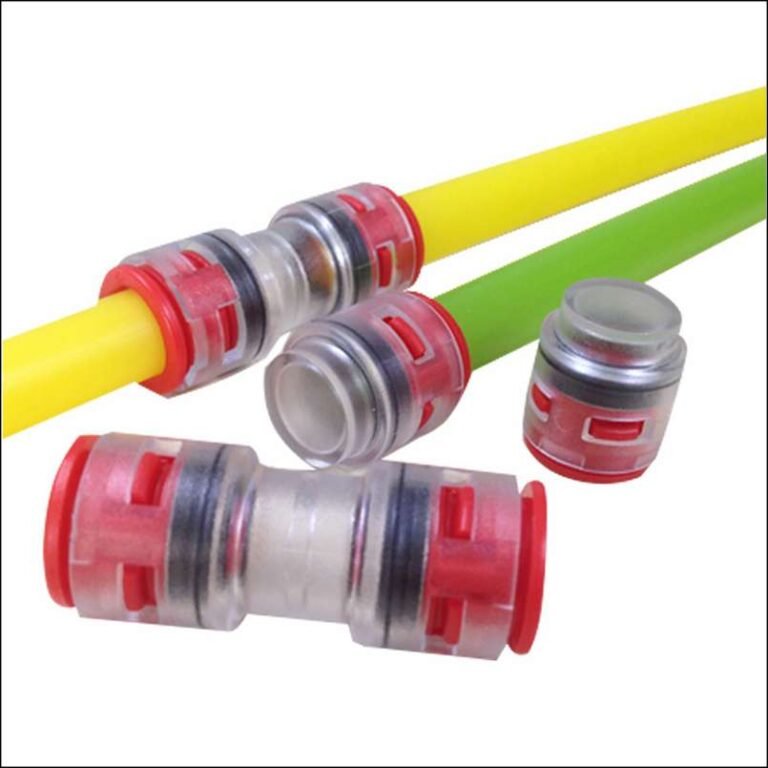
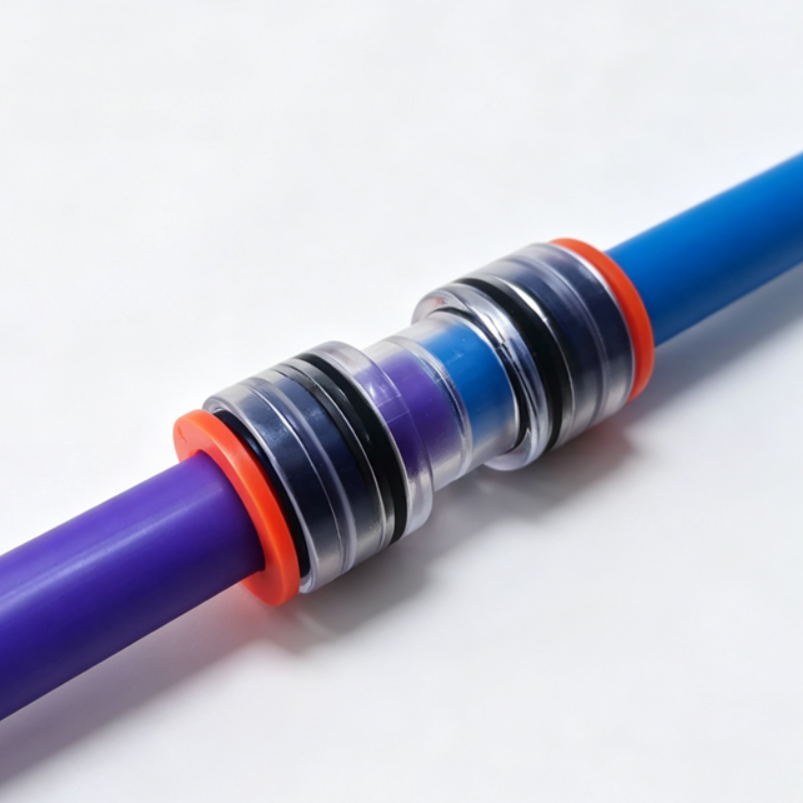
- Push-fit installation
- Safety locking clips
- Secure gripping teeth
- High-performance sealing rings
These features help prevent accidental disconnection while making installation fast and simple.
7. Ensure Compatibility with Your Microduct System
Different manufacturers may produce microducts with slightly different tolerances and specifications.
Before purchasing, confirm that the connector is compatible with your existing microduct system, including duct dimensions, pressure ratings, and installation requirements.
Selecting compatible components reduces installation issues and improves overall system performance.
Final Thoughts
Selecting the right microduct connector isn’t just about finding the correct size—it’s about ensuring the long-term reliability and efficiency of your fiber optic network.
By considering factors such as outer diameter (OD), inner diameter (ID), pressure rating, material quality, environmental conditions, locking design, and system compatibility, you can avoid common installation problems and reduce maintenance costs in the future.
A high-quality microduct connector may represent only a small part of your project budget, but it plays a vital role in protecting your fiber infrastructure and ensuring smooth, efficient cable installation. Investing in the right connector today can save significant time, labor, and repair costs for years to come.