What Is a Microduct Connector? A Complete Guide to Functions, Benefits, and Applications.
As fiber optic networks continue to expand worldwide, the demand for reliable and efficient cable installation solutions has never been greater. One small but essential component that ensures the integrity of these networks is the microduct connector, also known as a microduct coupler.
Although compact in size, a microduct connector plays a critical role in protecting fiber optic cables and maintaining uninterrupted airflow during cable installation. Understanding how it works and why it matters can help network installers and project managers build more reliable fiber infrastructure.
What Is a Microduct Connector?
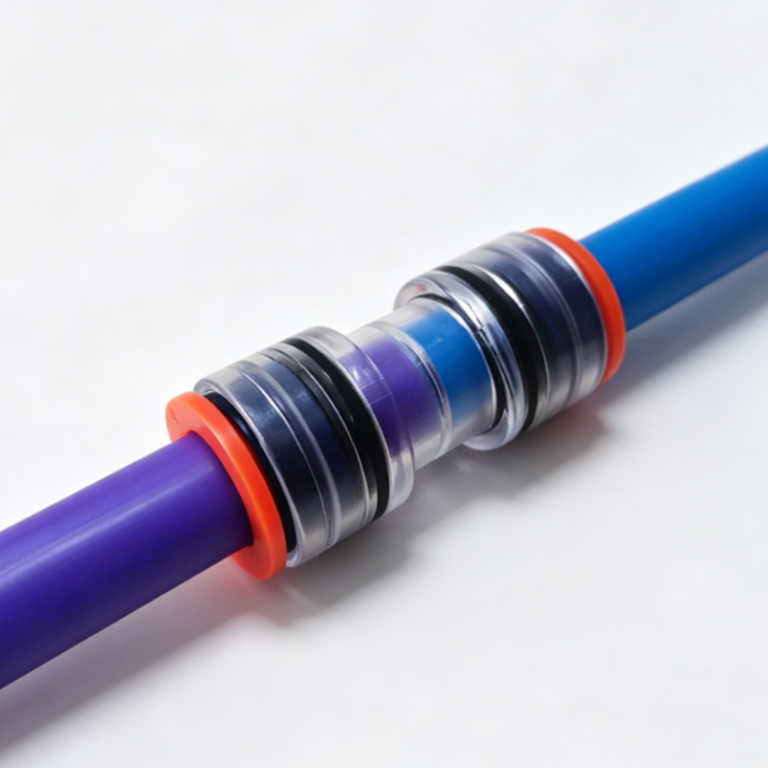
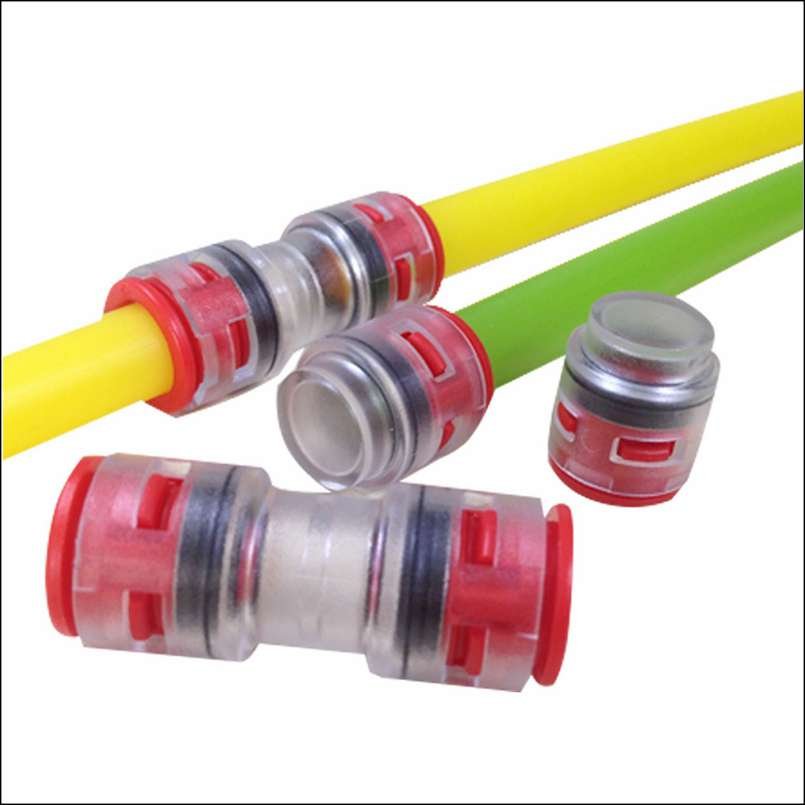
A microduct connector is a mechanical fitting designed to join two sections of microduct securely. It creates an airtight, watertight connection that allows fiber optic cables to be blown through the duct with minimal air leakage.
Typically manufactured from high-strength engineering plastic, microduct connectors feature a push-fit design that enables quick installation without requiring special tools. Most models also include locking clips and sealing rings to ensure a secure connection even in demanding environments.
What Does a Microduct Connector Do?
The primary function of a microduct connector is to connect two microducts while maintaining the performance of the fiber optic installation system.
Its key functions include:
- Creating a secure connection between two microducts
- Preventing air leakage during fiber blowing operations
- Protecting cables from dust, moisture, and contaminants
- Maintaining the alignment of connected ducts
- Reducing the risk of cable damage during installation
- Supporting long-term network reliability
Without a high-quality connector, air pressure can be lost, making fiber blowing less efficient and increasing installation costs.
Where Are Microduct Connectors Used?
Microduct connectors are widely used in modern fiber optic communication projects, including:
- FTTH (Fiber to the Home) networks
- FTTx infrastructure
- Telecommunications backbone networks
- Data centers
- Smart city projects
- 5G network deployment
- Underground and aerial fiber optic installations
They are suitable for both direct-buried and protected duct systems.
Benefits of Using High-Quality Microduct Connectors
Choosing a premium microduct connector offers several important advantages:
- Quick Installation: Push-fit design saves time and reduces labor costs.
- Excellent Sealing Performance: Airtight and watertight connections improve fiber blowing efficiency.
- Strong Mechanical Strength: Secure locking prevents accidental disconnection.
- Long Service Life: High-quality materials resist UV exposure, corrosion, and aging.
- Low Maintenance: Reliable connections reduce future repair and replacement costs.
- Wide Compatibility: Available in various sizes to match different microduct systems.
These benefits help contractors complete projects faster while ensuring long-term network performance.
How to Choose the Right Microduct Connector
When selecting a microduct connector, consider the following factors:
- Microduct outside diameter (OD) and inside diameter (ID)
- Working pressure requirements
- Environmental conditions
- Material quality
- Sealing performance
- Compliance with industry standards
- Compatibility with your existing microduct system
Choosing the correct connector helps maximize installation efficiency and protects valuable fiber optic cables throughout their service life.
Conclusion
A microduct connector may be a small component, but its impact on fiber optic network performance is significant. By providing secure, airtight, and durable connections, it improves fiber installation efficiency, protects network infrastructure, and reduces long-term maintenance costs.
Whether you’re building a new FTTH network, expanding a telecommunications backbone, or deploying 5G infrastructure, investing in high-quality microduct connectors is a smart decision that supports reliable, high-performance fiber optic communication.