
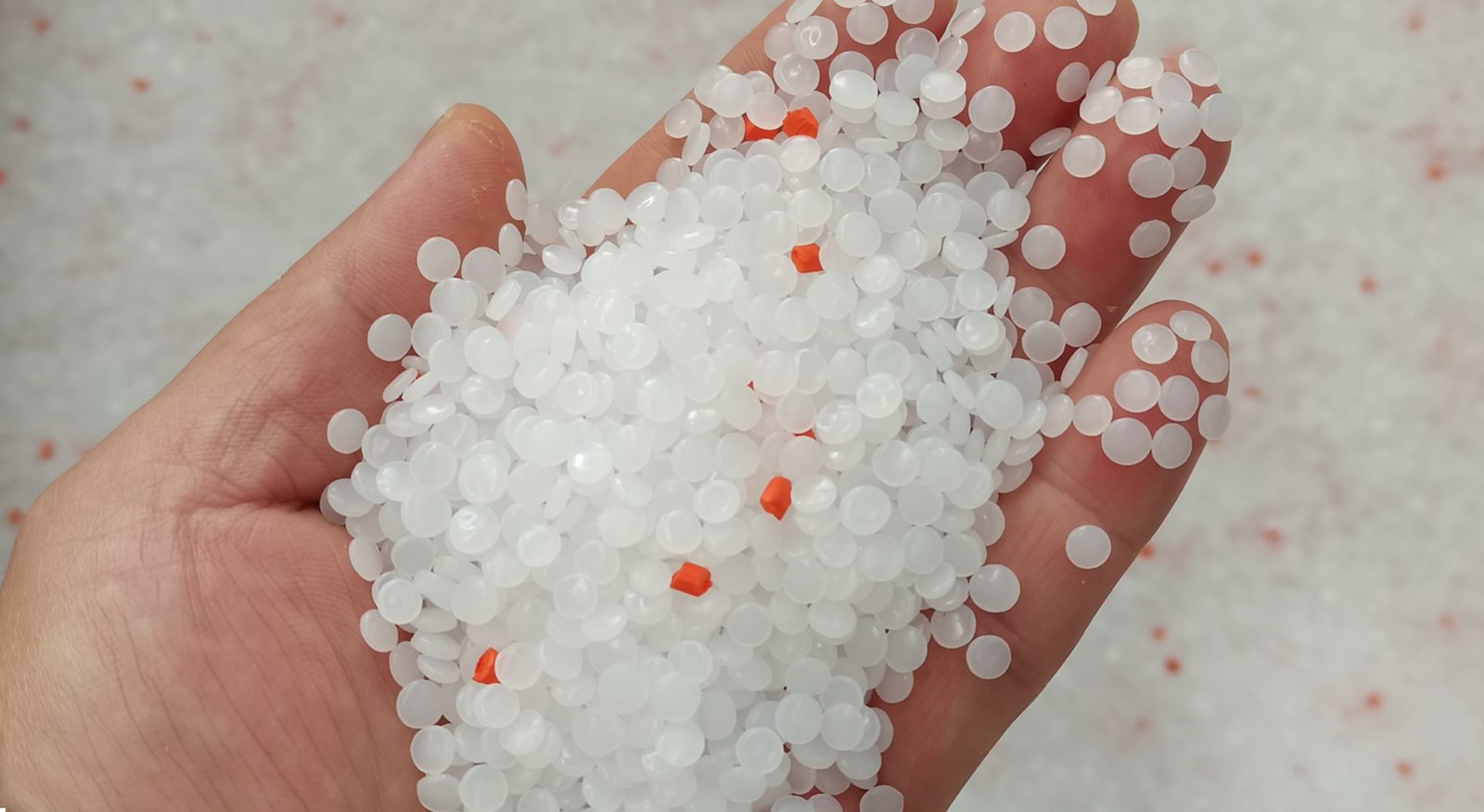
What is HDPE?
High-Density Polyethylene (HDPE) is one of the most versatile and widely used plastic materials in the world. Known for its exceptional strength-to-density ratio, this thermoplastic polymer plays a critical role in modern manufacturing, packaging, infrastructure, and consumer goods.
What is HDPE?
HDPE is a petroleum-derived linear hydrocarbon polymer made from the monomer ethylene. Unlike Low-Density Polyethylene (LDPE), HDPE features minimal branching in its molecular structure. This linear arrangement allows the polymer chains to pack together tightly, resulting in a highly crystalline structure. This high density gives the material its signature rigidity, tensile strength, and durability.
Key Chemical and Physical Properties
HDPE owes its widespread popularity to a unique combination of physical and chemical traits:
- High Strength-to-Density Ratio: HDPE is remarkably lightweight yet structurally resilient, capable of withstanding heavy loads and high pressure.
- Chemical and Corrosion Resistance: It does not react with acids, bases, or oxidants, making it an excellent choice for storing hazardous chemicals.
- Low Moisture Absorption: The material is highly resistant to water and vapor, preventing leaks and protecting contents from external humidity.
- Weather and UV Resistance: HDPE can withstand extreme weather conditions and prolonged exposure to sunlight without degrading significantly.
- Thermal Tolerance: It maintains its structural integrity across a wide temperature range, from freezing conditions up to nearly 120°C (248°F).
Common Applications
Thanks to its adaptability, HDPE is utilized across a vast array of industries:
- Packaging: It is the standard material for milk jugs, detergent bottles, shampoo flasks, and grocery bags because it is lightweight and food-safe.
- Piping Systems: HDPE pipes are widely used for water supply, gas distribution, and sewage management due to their corrosion resistance and leak-free joints.
- Consumer Goods: Many household items, including cutting boards, toys, recycling bins, and outdoor patio furniture, are manufactured from HDPE.
- Industrial and Construction: It is used to produce geomembranes for landfill liners, heavy-duty pallets, and automotive fuel tanks.
Sustainability and Environmental Impact
In an era focused on environmental responsibility, HDPE stands out as one of the easiest plastic polymers to recycle. Designated by the resin identification code “Number 2,” post-consumer HDPE is regularly collected and reprocessed into plastic lumber, drainage pipes, and new non-food containers. By substituting virgin plastic with recycled HDPE (rHDPE), industries can drastically reduce carbon emissions and minimize plastic waste in landfills.
Conclusion
From safeguarding our drinking water to protecting consumer goods, HDPE remains an indispensable material in global industry. Its unique blend of strength, chemical resistance, and recyclability ensures that it will continue to drive innovation and support sustainable manufacturing practices for years to come.